
Summer Travel & Separation Anxiety: You Deserve a Break Too
- Kristine adams

- May 15
- 4 min read
If you’re working through separation anxiety with your dog, summer can bring up a lot of mixed emotions.
On one hand, you may desperately need a break. Maybe you want to take a vacation, visit family, spend a weekend away, or simply have a little more freedom after months of carefully managing absences. On the other hand, many guardians feel guilt, anxiety, or fear about disrupting the progress they’ve worked so hard to build.
If this is you, I want you to know something important:
You are not failing your dog by needing rest.
In fact, many of my Separation Anxiety Recovery Program (SRB) clients are some of the most dedicated, thoughtful, and diligent humans I have ever worked with. You have rearranged schedules, suspended absences, coordinated support systems, practiced training consistently, and shown up for your dog again and again in ways most people will never fully understand.
That level of caregiving is enormous.
And just like your dog needs support, decompression, and rest, you do too.
It’s Okay to Want Time Away
Living with a dog who panics when left alone can be incredibly isolating. Plans become complicated. Spontaneity disappears. Even simple errands can require layers of management and coordination.
So when summer rolls around and the idea of travel comes up, many people immediately think:
“What happens to our training if I leave?”
The good news is that taking a trip does not automatically undo your progress.
What matters most is protecting the foundations you’ve worked so carefully to build and setting your dog up for success while you’re away.
Option 1: Bring Your Dog Along
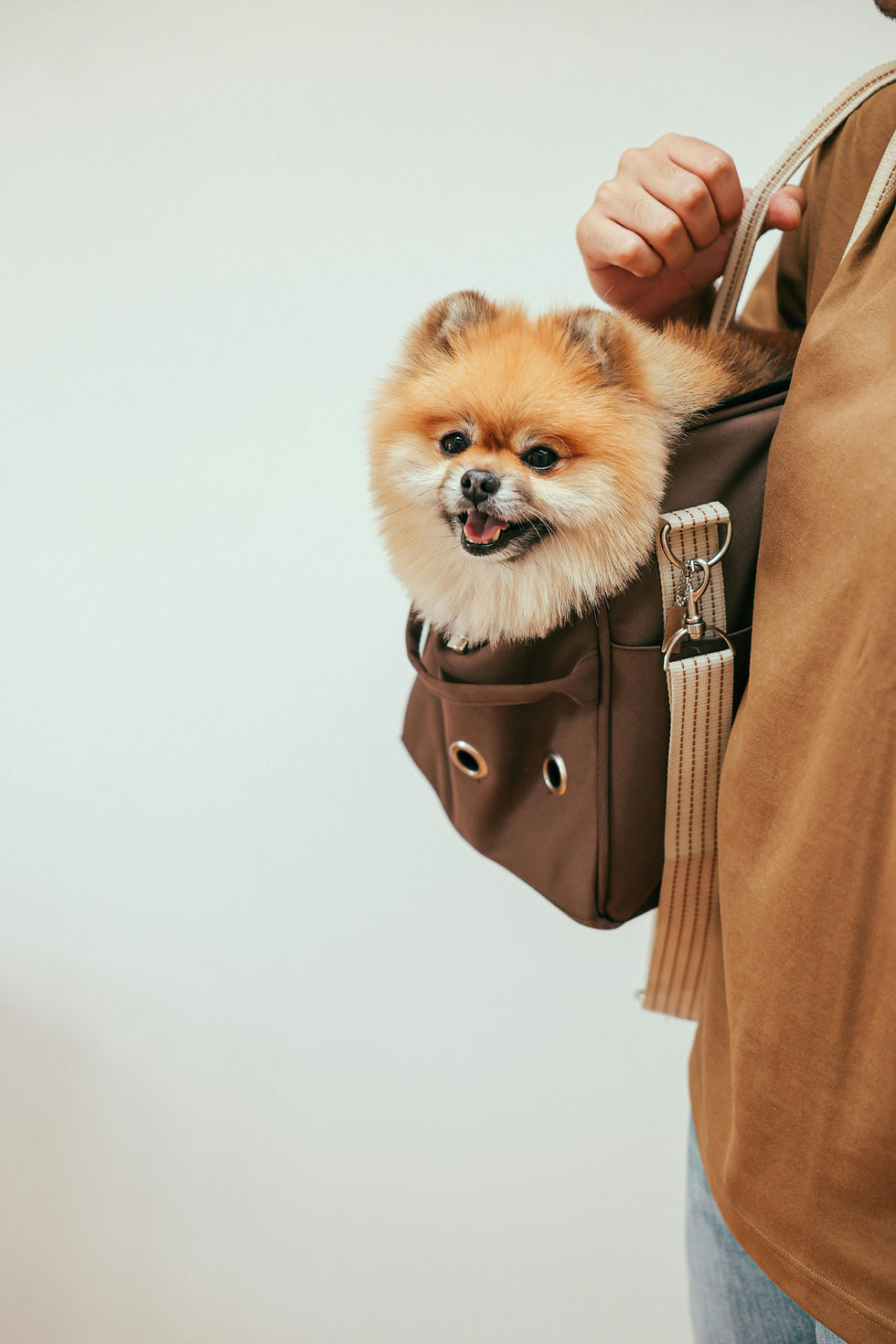
For some dogs, traveling with their people is a fantastic option.
Many dogs enjoy road trips, hotel stays, camping adventures, or visiting pet-friendly vacation rentals. If your dog genuinely enjoys travel and can settle well in new environments, bringing them with you may be the least stressful solution for everyone.
That said, even when your dog comes along, we still want to protect the absences you’ve carefully cultivated during training.
A few things to keep in mind:
Avoid suddenly leaving your dog alone in unfamiliar places if they are not ready for it.
Remember that a dog who can handle short absences at home may struggle in a brand-new environment.
Plan accommodations thoughtfully and consider how your dog will be supervised if you go out to dinner, sightseeing, or to activities where dogs cannot join.
Bring familiar items like beds, enrichment toys, white noise machines, or calming routines that help your dog feel secure.
Traveling together can absolutely work beautifully — we just want to remain mindful of your dog’s emotional experience while away from home.
Option 2: Boarding Facilities
For some families, boarding is the best fit. But with separation anxiety dogs, preparation matters a lot.
Not every boarding environment is emotionally safe or appropriate for a dog who struggles with being alone or who is sensitive to stress.
Before committing to a facility:
Do Plenty of Happy Visits
Allow your dog to build positive associations gradually. Short, enjoyable visits can help you learn how your dog feels in the environment before the pressure of a full stay.
Do Trial Runs
A single overnight test stay can tell you far more than a website or tour ever will. It gives you a chance to observe:
How your dog recovers afterward
Whether they are eating, resting, and coping well
If the facility’s management style actually matches your dog’s needs
Ask Detailed Questions
Some important questions include:
How much time are dogs left alone?
Is overnight staff present?
How are anxious dogs handled?
What happens if a dog is vocalizing or distressed?
Can accommodations be adjusted for sensitive dogs?
The goal is not perfection. The goal is finding a setup where your dog feels supported enough that they are not repeatedly pushed into panic while you are away.
That is what helps protect the progress you’ve worked so hard for.
Option 3: In-Home Pet Sitting

For many separation anxiety dogs, in-home care is the gentlest and most successful option.
Being able to remain in their familiar environment often reduces stress significantly.
One thing I frequently recommend to clients is having two sitters instead of relying entirely on one person.
Why?
Because your sitter is human too.
Even the most wonderful sitter may need a break, need to run errands, encounter an emergency, or have scheduling complications. Having a backup person already integrated into your dog’s care plan can make the entire experience far less stressful for everyone involved.
If possible:
Introduce sitters well before your trip
Schedule practice visits
Allow your dog to build familiarity gradually
Leave detailed care instructions and routines
Create contingency plans ahead of time
The more proactive preparation you do now, the more confidently you’ll be able to actually enjoy your time away later.
Your Progress Is Still Real
One of the biggest fears I hear from clients is:
“What if this ruins everything?”
And while setbacks can happen in any behavior modification journey, taking a thoughtfully planned vacation does not erase all the work you and your dog have done together.
Progress is not fragile.
Your dog has still been learning. Their brain has still been building new experiences. Your relationship has still been strengthening.
What protects that progress is thoughtful management, realistic expectations, and compassionate preparation — not perfection.
You Matter Too

This work asks a tremendous amount of people.
So if you are tired…If you miss traveling…If you need rest…If you want a weekend where you are not constantly calculating absences…
You are allowed to need that.
Supporting a dog with separation anxiety is a marathon, not a sprint. Sustainable care includes caring for the human side of the equation too.
With planning, support, and realistic preparation, many families are absolutely able to travel while continuing to protect the strides they’ve made in training.
You deserve support in this process too.
Separation Anxiety Support in Seattle, WA and beyond
At Woof Wisdom Dog Training, I work with dogs struggling with separation anxiety using compassionate, evidence-based behavior modification tailored to each individual dog and family. Virtual coaching is available for clients throughout the United States, including separation anxiety support for families in Seattle, across Washington and world wide.
Whether you’re preparing for summer travel, building independence training plans, or navigating life with a dog who cannot yet be left alone comfortably, you do not have to figure it out by yourself.


Comments